

Hey there! As a supplier of durable roti making machines, I often get asked about the materials used in these machines. Well, let's dive right in and explore the key materials that make our roti making machines stand the test of time.
Stainless Steel: The Workhorse
One of the most commonly used materials in our roti making machines is stainless steel. And for good reason! Stainless steel is incredibly durable, resistant to corrosion, and easy to clean. It can withstand the high temperatures and constant wear and tear that come with making rotis all day long.
We use high - grade stainless steel for the parts that come into direct contact with the dough and the roti. This includes the rollers, the conveyor belts, and the cooking plates. The stainless - steel rollers are precision - engineered to shape the dough into the perfect roti size and thickness. They're smooth, so the dough doesn't stick, and they can handle the pressure of rolling out multiple rotis in quick succession.
The conveyor belts made of stainless steel are strong and flexible. They move the rotis through the machine smoothly, ensuring an even cooking process. And the cooking plates, also made of stainless steel, heat up quickly and distribute heat evenly, giving you perfectly cooked rotis every time.
Aluminum Alloys
Aluminum alloys are another important material in our roti making machines. Aluminum is lightweight, which makes the machine easier to move around and install. But don't let its lightness fool you; aluminum alloys are also very strong.
We use aluminum alloys for some of the structural components of the machine, like the frames and the housing. These components need to be sturdy to support the other parts of the machine and keep everything in place. Aluminum alloys are also good conductors of heat, which helps in the cooking process. They can transfer heat from the heating elements to the cooking plates efficiently, reducing energy consumption.
Heat - Resistant Plastics
Heat - resistant plastics play a crucial role in our roti making machines as well. These plastics are used for parts that need to be insulated or for components that don't come into direct contact with high - temperature surfaces.
For example, the control panels of our machines are often made of heat - resistant plastics. They protect the electrical components inside from heat and moisture, ensuring the machine operates safely and reliably. The handles and knobs on the machine are also made of these plastics. They're comfortable to hold and can withstand the heat generated by the machine without deforming.
Food - Grade Rubber
Food - grade rubber is used in areas where a bit of flexibility and grip are needed. For instance, the seals and gaskets in our roti making machines are made of food - grade rubber. These seals prevent any leakage of steam or heat during the cooking process, which is important for maintaining the right cooking environment.
The rubber also provides a good grip for some moving parts, like the dough feeders. It helps to ensure that the dough is fed into the machine smoothly and consistently, without any slipping or jamming.
Electrical Components
When it comes to the electrical parts of our roti making machines, we use high - quality materials to ensure safety and efficiency. Copper is commonly used for the wiring because it's an excellent conductor of electricity. It allows for a smooth flow of current, reducing the risk of electrical failures.
The heating elements in our machines are made of materials that can withstand high temperatures and provide consistent heat. These elements are carefully designed to heat up quickly and maintain a stable temperature, so you can make rotis at a consistent quality.
Why These Materials Matter
Using these high - quality materials in our roti making machines has several benefits. First of all, it ensures the durability of the machine. Our machines are built to last, which means you won't have to worry about frequent breakdowns or replacements. This saves you money in the long run.
Secondly, the materials we use are safe for food contact. Whether it's the stainless steel, food - grade rubber, or heat - resistant plastics, they all meet the necessary food safety standards. This means you can use our machines with confidence, knowing that the rotis you make are safe to eat.
Finally, the combination of these materials makes our roti making machines efficient. They cook rotis quickly and evenly, which can increase your productivity if you're running a business.

Related Machines
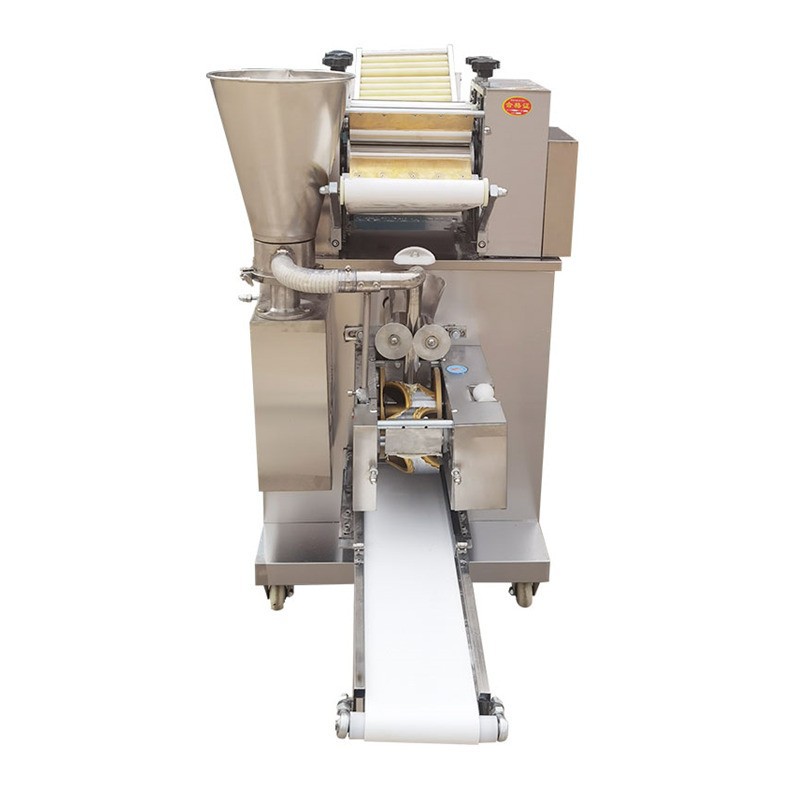
If you're interested in other food - processing machines, we also offer an Automatic Pizza Making Machine that can make delicious pizzas with ease. And for those who love dumplings, our High Quality Dumpling Machine is a great addition to any kitchen. We also have an Automatic Dough Ball Making Machine that can help you prepare the dough for various baked goods.
Let's Talk
If you're in the market for a durable roti making machine or any of our other food - processing machines, I'd love to hear from you. Whether you're a small restaurant owner, a catering service, or a home cook looking to make rotis more efficiently, we have the right machine for you. Contact us to discuss your needs, and let's work together to find the perfect solution for your roti - making requirements.
References
- "Materials Science for Engineers" by Donald Askeland
- "Food Processing Machinery Design and Operation" by Peter Fellows